.svg)


Why Preventive Maintenance Saves Time and Money in the Long Run
In facility management, the adage "prevention is better than cure" holds significant weight. While preventive maintenance (PM) may initially seem like an added expense, it is, in fact, one of the most cost-effective strategies property owners can employ to ensure long-term operational efficiency and financial savings.
What Is Preventive Maintenance?
Preventive maintenance involves the scheduled inspection, servicing, and minor repairs of building systems and equipment to prevent unexpected failures. This proactive approach encompasses tasks such as:
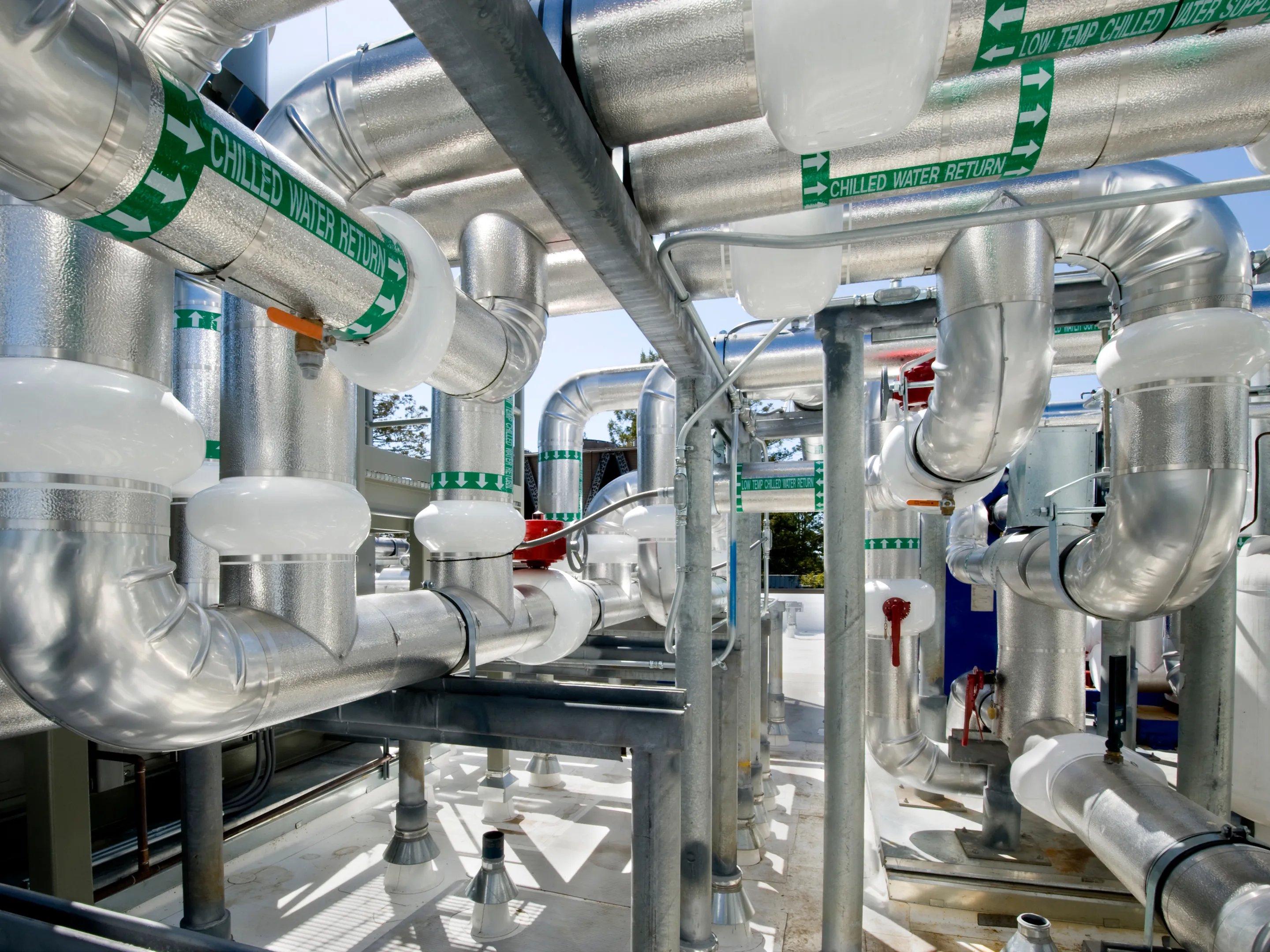
- HVAC System Check-ups: Ensuring optimal heating, ventilation, and air conditioning performance.
- Plumbing Inspections: Detecting and addressing potential leaks or blockages.
- Electrical System Checks: Verifying the integrity of wiring and components.
- Roofing and Façade Inspections: Identifying wear and tear that could lead to structural issues.
- Safety System Verifications: Testing alarms, fire suppression systems, and emergency exits.
By addressing potential issues before they escalate, PM helps maintain the reliability and safety of building operations.
The Cost of Reactive Maintenance
Neglecting preventive measures often leads to reactive maintenance, which can be significantly more expensive. Reactive maintenance involves addressing equipment failures only after they occur, leading to:
- Higher Repair Costs: Emergency repairs are typically more costly than scheduled maintenance.
- Increased Downtime: Unexpected failures can disrupt building operations, leading to tenant dissatisfaction.
- Potential Safety Hazards: Unaddressed issues may pose risks to occupants and staff.
This "run-to-failure" approach can result in substantial financial losses and damage to a property's reputation.
Long-Term Savings and Benefits
Implementing a robust preventive maintenance program offers several financial and operational advantages:
- Reduced Repair Costs: Studies indicate that businesses can save between 12% and 18% by adopting preventive maintenance over reactive strategies. Additionally, each dollar spent on PM can save an average of $5 later on by avoiding major repairs.
- Extended Equipment Lifespan: Regular maintenance can prolong the life of equipment by 20–40%, delaying costly replacements.
- Energy Efficiency: Well-maintained systems operate more efficiently, leading to lower utility bills. For instance, properly serviced HVAC systems can reduce energy consumption by 15–20%.
- Increased Property Value: Buildings with comprehensive maintenance records are more attractive to potential tenants and investors, enhancing property valuation.
Enhancing Tenant Experience
Beyond financial considerations, preventive maintenance plays a crucial role in tenant satisfaction:
- Fewer Disruptions: Regular maintenance minimizes unexpected breakdowns, ensuring a comfortable environment for occupants.
- Improved Safety: Timely inspections and repairs reduce the risk of accidents and enhance overall safety.
- Higher Retention Rates: Tenants are more likely to renew leases in well-maintained buildings, leading to reduced vacancy rates.
Preventive maintenance is not merely an operational necessity but a strategic investment that yields significant returns. By proactively addressing potential issues, property owners can reduce costs, extend asset life, and enhance tenant satisfaction. In the competitive real estate market, a well-maintained property stands out, offering long-term financial and reputational benefits.